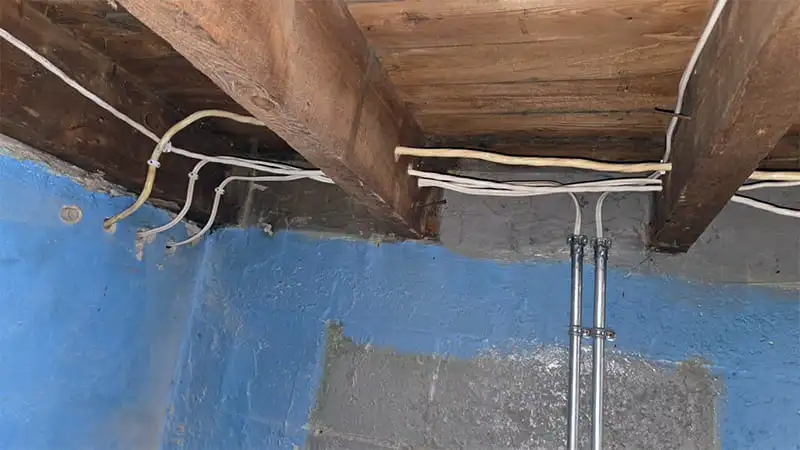
Older home wiring
Aluminum Wiring in Ontario: Is It Safe?
Aluminum wiring is common in many older Ontario homes. Learn when it can remain in service, what connection issues to look for, and when professional repairs or replacement may be recommended.
Many Ontario homes still contain aluminum wiring today, and its presence does not automatically mean that the entire electrical system must be replaced.
However, aluminum wiring requires the right connections, compatible devices, and proper installation practices. Understanding how to identify aluminum wiring and when it may require repair or replacement can help homeowners make informed decisions about electrical safety.
What Is Aluminum Wiring?
Aluminum wiring uses aluminum conductors instead of copper to carry electricity throughout a home. It became popular during a period when the cost of copper increased, making aluminum a more affordable option for residential electrical installations.
Aluminum wiring can still function safely when it has been properly installed and maintained. The main concern is often not the aluminum conductor itself, but how the wiring connects to switches, receptacles, breakers, and other electrical components.
Aluminum wiring is not automatically unsafe. The condition of the wiring and the quality of its connections are important factors in determining whether corrective work is required.
Why Can Aluminum Wiring Be a Concern?
Aluminum and copper behave differently as electrical conductors. Aluminum expands and contracts more with temperature changes and can also oxidize when exposed to air.
Over time, improperly installed connections may become loose or develop increased electrical resistance. This can create heat at connection points and may increase the risk of damage to electrical devices or wiring.
Problems can be more likely when aluminum conductors are connected to devices that are not approved for use with aluminum wiring.
Good to Know
The presence of aluminum wiring does not automatically mean that a home requires complete rewiring. A qualified electrician should assess the wiring, connections, and electrical devices before recommending the appropriate solution.
How Can You Tell If Your Home Has Aluminum Wiring?
Aluminum wiring is often found in homes built or renovated during the 1960s and 1970s. However, the age of the home alone cannot confirm what type of wiring is installed.
A qualified electrician may inspect accessible wiring and electrical connections to determine whether aluminum conductors are present.
Aluminum conductors are typically silver-coloured, while copper conductors have a distinctive reddish or copper colour. However, homeowners should not remove electrical devices or open electrical boxes to inspect wiring themselves.
- Homes built during the peak period of aluminum wiring use
- Silver-coloured conductors visible in electrical boxes
- Older switches and receptacles connected to aluminum conductors
- Electrical documentation identifying aluminum wiring
- Previous inspection or renovation reports mentioning aluminum wiring
Is Aluminum Wiring Safe?
Aluminum wiring can be safe when the electrical system has been properly installed and the connections are suitable for the conductors being used.
The condition of the wiring, the quality of the terminations, and the compatibility of electrical devices are all important factors. A home with aluminum wiring should not automatically be considered unsafe simply because aluminum conductors are present.
However, older aluminum wiring should be evaluated if the home is undergoing renovations, electrical devices are being replaced, or the homeowner notices signs of overheating or electrical problems.
Signs of Potential Aluminum Wiring Problems
Certain warning signs may indicate that an electrical connection requires professional attention. These signs can also be caused by other electrical problems, so they should not be used to diagnose aluminum wiring on their own.
- Flickering or dimming lights
- Warm or discoloured switches and receptacles
- Burning smells near electrical devices
- Buzzing or crackling sounds
- Frequently tripping breakers
- Loose electrical devices
- Visible signs of heat damage
Safety First
If you notice burning smells, visible damage, unusual heat, or crackling sounds near an electrical device, stop using the affected circuit and contact a licensed electrical contractor for an assessment.
Does Aluminum Wiring Need to Be Completely Replaced?
Not necessarily. Complete rewiring is one possible solution, but it is not the only option in every situation.
Depending on the condition of the electrical system and the scope of the work, an electrician may recommend repairing or upgrading specific connections, replacing incompatible devices, or completing other corrective work.
In some homes, a complete rewiring project may be recommended when the wiring is damaged, extensive renovations are planned, or the existing electrical system requires significant modernization.
The right solution depends on the condition of the existing wiring, the electrical devices connected to it, and the scope of the planned work.
Aluminum Wiring and Home Renovations
Home renovations are a good opportunity to have existing electrical wiring evaluated. Adding new circuits, relocating outlets, renovating kitchens, finishing basements, or upgrading electrical panels may expose existing wiring that requires professional assessment.
New electrical work must be properly designed and installed in accordance with the requirements that apply to the project. Existing wiring may also need to be addressed when it is being modified or when its condition creates a safety concern.
If you are planning a major renovation in an older Ontario home, it is a good idea to discuss the existing electrical system with a licensed electrical contractor before work begins.
Should You Replace Aluminum Wiring Before Selling Your Home?
Not every home with aluminum wiring requires complete rewiring before it is sold. However, the condition of the electrical system may become an important consideration during a home inspection or insurance review.
If aluminum wiring is identified, homeowners may benefit from having the system professionally assessed and documenting any corrective work that has been completed.
The best approach depends on the condition of the installation and the requirements of the homeowner's insurance provider. Insurance requirements can vary, so homeowners should contact their insurer if they have questions about coverage.
How Electricians Assess Aluminum Wiring
A professional assessment typically begins with an inspection of accessible electrical components and connections. The electrician may evaluate the condition of the wiring, electrical devices, terminations, and visible signs of overheating or damage.
The assessment can help determine whether the appropriate solution is targeted repairs, replacement of specific components, further investigation, or a larger rewiring project.
The goal is not simply to replace wiring because it is old. The electrical system should be evaluated based on its actual condition, safety requirements, and the homeowner's current and future electrical needs.
What Matters Most?
The presence of aluminum wiring alone does not determine whether an electrical system is safe. The condition of the wiring, the quality of the connections, and the compatibility of connected devices are all important factors.
When Should You Have Aluminum Wiring Inspected?
Homeowners should consider having their electrical system professionally assessed if they suspect aluminum wiring is present or if they notice signs of electrical problems.
An assessment may also be appropriate when buying an older home, planning a major renovation, upgrading an electrical panel, or experiencing recurring electrical issues.
- Buying or selling an older home
- Planning a major renovation
- Adding new electrical circuits
- Upgrading an electrical panel
- Experiencing flickering lights or overheating devices
- Preparing for an electrical inspection
- Concerned about insurance requirements
Final Thoughts
Aluminum wiring is common in many older Ontario homes, but its presence does not automatically mean that the entire electrical system must be replaced. The condition of the wiring and the quality of its connections are the most important factors.
If you are unsure whether your home contains aluminum wiring or you have concerns about the condition of your electrical system, a professional assessment can help determine the appropriate next step.
Frequently Asked Questions
Is aluminum wiring dangerous in Ontario homes?
Aluminum wiring is not automatically dangerous. However, improperly installed or deteriorated connections can create electrical safety concerns. A qualified electrician can assess the condition of the wiring and connections.
Do all homes with aluminum wiring need to be rewired?
No. Complete rewiring is not automatically required. Depending on the condition of the system, targeted repairs or replacement of specific components may be appropriate.
How can I tell if my home has aluminum wiring?
Aluminum conductors are often silver-coloured and are commonly found in some homes built during the 1960s and 1970s. A licensed electrician can inspect accessible wiring and electrical connections to confirm what type of wiring is present.
Can aluminum wiring be connected to modern electrical devices?
Electrical devices and connections must be suitable for the type of conductor being used. A qualified electrician can determine whether existing devices and connections are appropriate for aluminum wiring.
Should I have aluminum wiring inspected before buying a home?
If aluminum wiring is suspected in an older home, a professional electrical assessment can help identify the condition of the wiring and connections before purchasing or planning renovations.
Concerned About Aluminum Wiring in Your Home?
Our licensed electricians can assess existing aluminum wiring, identify potential electrical concerns, and recommend the right solution for your Ontario home.
Book an Electrical AssessmentLicensed Electrical Contractor • ESA/ECRA Licence #7005619
![Knob-and-tube electrical wiring installed in the attic of an older Ontario home']](/images/blog/knob-and-tube-wiring.webp)
![200-amp electrical panels and generator transfer switch installation']](/images/blog/200amp-electrical-panels.webp)
![Residential electrical panel installation requiring ESA inspection']](/images/blog/residential-electrical-panel-installation.webp)