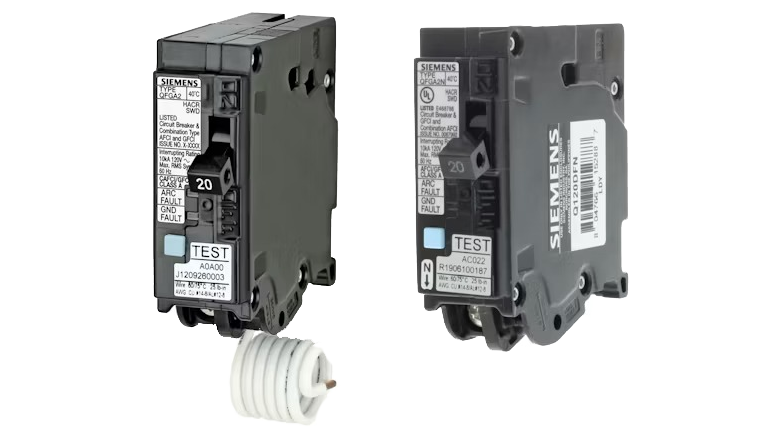
GFCI vs AFCI: What's the Difference?
GFCI and AFCI may look similar, but they protect against different electrical hazards. Learn where each is used and when Ontario homes require this important safety protection.
Electrical safety devices have become an essential part of modern homes in Ontario. If you're planning a renovation, adding new circuits, replacing an electrical panel, or preparing for an ESA inspection, you've likely heard the terms GFCI and AFCI.
Although they may appear similar, they protect against completely different electrical hazards. Understanding when each type of protection is required can help you make informed decisions while keeping your home safe.
A GFCI protects people from electric shock, while an AFCI helps prevent electrical fires. Modern residential electrical systems often require both types of protection.
What Is a GFCI?
A Ground Fault Circuit Interrupter (GFCI) monitors the electrical current flowing through a circuit. If it detects even a small imbalance caused by electricity flowing somewhere it shouldn't, it disconnects power within milliseconds to reduce the risk of serious electrical shock.
Where Is GFCI Protection Commonly Used?
- Bathrooms
- Kitchen countertop receptacles
- Garage outlets
- Outdoor receptacles
- Laundry rooms
- Unfinished basements
- Areas located near sinks or water sources
Because water significantly increases the risk of electric shock, GFCI protection is commonly installed anywhere moisture may be present.
What Is an AFCI?
An Arc Fault Circuit Interrupter (AFCI) works differently. Instead of detecting current leakage, it continuously monitors the electrical waveform for dangerous arc faults that can occur inside damaged wiring, loose electrical connections, or deteriorated devices.
These arc faults generate intense heat that may ignite surrounding building materials long before a standard breaker trips.
Many electrical fires begin with damaged wiring hidden behind finished walls. AFCI protection is specifically designed to detect these hazardous conditions before they become a serious fire risk.
GFCI vs AFCI: What's the Difference?
| Feature | GFCI | AFCI |
|---|---|---|
| Protects people from electric shock | ✓ | ✕ |
| Helps prevent electrical fires | ✕ | ✓ |
| Detects current leakage | ✓ | ✕ |
| Detects dangerous arc faults | ✕ | ✓ |
| Typically installed in | Wet locations | Living areas |
Key Takeaways
- GFCI protection helps prevent electrical shock.
- AFCI protection helps reduce the risk of electrical fires.
- Many modern Ontario homes require both types of protection.
Where Are GFCI and AFCI Required in Ontario?
Ontario Electrical Safety Code contains specific requirements for both GFCI and AFCI protection depending on the type of installation, the location of receptacles, and the scope of electrical work being performed.
Good to Know
Older homes are not automatically required to meet today's electrical code. However, when circuits are added, extended, or significantly modified during renovations, portions of the installation may need to comply with the current Ontario Electrical Safety Code.
Because every project is different, a licensed electrician can determine exactly which type of protection is required before work begins.
Can One Breaker Provide Both?
Yes. Many new electrical panels now use Dual Function Breakers, which combine both GFCI and AFCI protection into a single breaker. This simplifies installation while providing comprehensive protection against both electrical shock and dangerous arc faults.
Electrical codes continue to evolve as new technologies improve residential safety. Upgrading protection devices during renovations is one of the most effective ways to improve your home's electrical safety.
Final Thoughts
GFCI and AFCI devices serve different purposes, but both are important components of a safe electrical system. Whether you're renovating an older home, upgrading an electrical panel, or adding new circuits, installing the proper protection helps keep your family and property safe while ensuring your electrical system meets current Ontario safety requirements.
Frequently Asked Questions
Does every outlet need GFCI protection?
No. GFCI protection is generally required only in locations where there is an increased risk of electric shock, such as bathrooms, kitchen countertop receptacles, garages, unfinished basements, outdoor receptacles, and other damp or wet locations. One GFCI device can often protect multiple downstream outlets on the same circuit.
Can a GFCI receptacle protect other outlets?
Yes. When wired correctly, a single GFCI receptacle can provide protection to additional outlets connected to its load terminals. This means not every outlet on the circuit necessarily needs its own GFCI device.
Can GFCI protection be provided by a circuit breaker instead of an outlet?
Yes. GFCI protection can be installed either as a GFCI receptacle or as a GFCI circuit breaker in the electrical panel. Both methods provide the same level of protection when installed correctly.
Can one breaker provide both GFCI and AFCI protection?
Yes. Dual Function breakers combine both types of protection into a single device.
Do older Ontario homes need to be upgraded to GFCI or AFCI protection?
Not automatically. Existing electrical installations are generally permitted to remain in service. However, when new circuits are installed or existing wiring is significantly modified during renovations, portions of the installation may need to comply with the current Ontario Electrical Safety Code.
Need Help Upgrading Your Home’s Electrical Safety?
Our licensed electricians install GFCI and AFCI protection, replace outdated breakers, upgrade electrical panels, and ensure your home meets current Ontario Electrical Safety Code requirements.
Book a Licensed ElectricianLicensed Electrical Contractor • ESA/ECRA Licence #7005619
![Knob-and-tube electrical wiring installed in the attic of an older Ontario home']](/images/blog/knob-and-tube-wiring.webp)
![Residential electrical panel installation requiring ESA inspection']](/images/blog/residential-electrical-panel-installation.webp)
![Residential electrical service panels installed for a high-capacity electrical service upgrade']](/images/blog/electrical-service-size-comparison.webp)