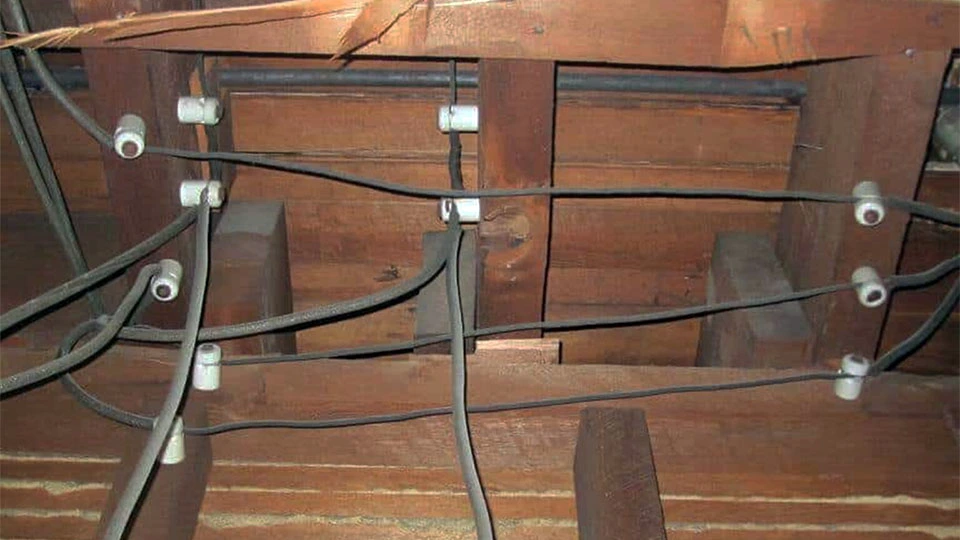
ORIGINAL KNOB-AND-TUBE WIRING?
Knob-and-Tube Wiring in Ontario: Should You Replace It
Many Ontario homes built before the 1950s may still contain knob-and-tube wiring. While the system itself is not automatically unsafe or illegal, it was designed for a very different era of household electricity. If you're buying an older home, planning a renovation, or reviewing your insurance coverage, understanding how knob-and-tube wiring affects safety, electrical capacity, and code compliance can help you make informed decisions. Here's what Ontario homeowners should know before replacing or upgrading older wiring.
What Is Knob-and-Tube Wiring?
Knob-and-tube wiring is one of the earliest standardized residential electrical wiring systems used in North America. Introduced in the 1880s, it remained common in homes until the 1940s before being replaced by modern grounded electrical cable.
Instead of using a single electrical cable, knob-and-tube wiring consists of individual insulated copper conductors supported by porcelain knobs and routed through porcelain tubes where they pass through wood framing.
- Installed primarily before the 1950s
- Uses ceramic knobs and tubes to support individual conductors
- Does not include a grounding conductor
- Originally designed for much lower electrical loads
"Finding knob-and-tube wiring doesn't automatically mean a home is unsafe, but it does mean the electrical system deserves a professional evaluation before major renovations or new electrical installations."
Is Knob-and-Tube Wiring Legal in Ontario?
Yes. Existing knob-and-tube wiring is not illegal simply because of its age. Ontario homeowners are generally allowed to continue using existing electrical systems that were installed according to the electrical standards in effect at the time.
However, any new electrical work or alterations must comply with the current Ontario Electrical Safety Code. During renovations, electricians often recommend replacing older wiring rather than extending or modifying an outdated system.
Good to Know
Knob-and-tube wiring cannot simply be extended like modern wiring. If new circuits are added, they must be installed using current code-compliant wiring methods.
Why Do Insurance Companies Care?
Insurance companies evaluate the overall risk associated with a home's electrical system. Because knob-and-tube wiring is often several decades old and lacks a grounding conductor, some insurers may request an electrical inspection before issuing or renewing coverage.
Requirements vary between insurance providers. Some companies may insure homes with existing knob-and-tube wiring, while others may require partial or complete replacement before providing coverage.
- Some insurers request a licensed electrical inspection
- Older wiring may affect insurance eligibility or premiums
- Evidence of previous modifications can influence underwriting decisions
- Replacement may improve insurability when purchasing an older home
Should You Replace Knob-and-Tube Wiring?
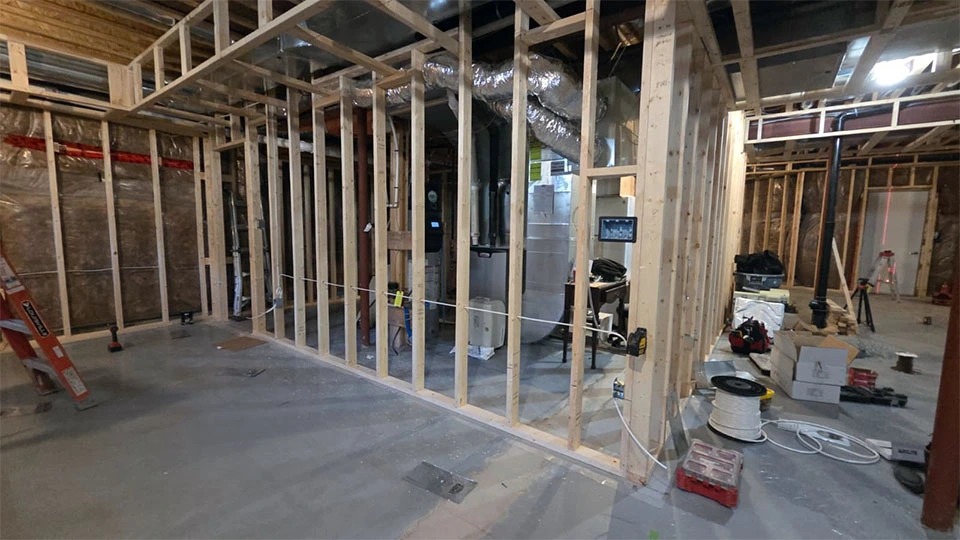
Not every home requires immediate rewiring. However, replacement is often recommended if the wiring has deteriorated, has been improperly modified over the years, or no longer provides enough capacity for today's electrical needs.
Many homeowners choose to replace knob-and-tube wiring while completing renovations, upgrading an electrical panel, or installing new circuits. Combining projects often reduces labour costs and minimizes future disruption.
- Home renovations or additions
- Electrical panel upgrades
- Kitchen or bathroom remodels
- Frequent breaker trips or overloaded circuits
- Preparing an older home for resale
How Much Does It Cost to Replace Knob-and-Tube Wiring?
The cost of replacing knob-and-tube wiring varies significantly depending on the size of the home, accessibility, wall finishes, and the amount of rewiring required. Every project is different, making an on-site assessment the most accurate way to estimate costs.
In many cases, electricians also recommend upgrading the electrical panel at the same time, especially if the existing service is no longer sufficient for modern household electrical demand.
Frequently Asked Questions
How can I tell if my home has knob-and-tube wiring?
Knob-and-tube wiring is usually visible in unfinished basements or attics where ceramic knobs and tubes support individual insulated conductors. A licensed electrician can confirm whether it is present.
Is knob-and-tube wiring dangerous?
Not necessarily. The presence of knob-and-tube wiring alone does not mean a home is unsafe. Its condition, previous modifications, and current electrical demands all determine whether replacement is recommended.
Can I renovate a home that still has knob-and-tube wiring?
Yes, but renovations often require new wiring to meet current electrical code requirements. Many homeowners choose to replace older wiring during renovation projects to improve safety and increase electrical capacity.
Need to Replace Knob-and-Tube Wiring?
Our licensed electricians provide complete knob-and-tube wiring replacement throughout Ontario. We'll inspect your existing wiring, explain your options, and upgrade your home's electrical system to meet modern safety standards.
Learn About Knob-and-Tube ReplacementLicensed Electrical Contractor • ESA/ECRA Licence #7005619
![Residential electrical panel installation requiring ESA inspection']](/images/blog/residential-electrical-panel-installation.webp)
![Residential electrical service panels installed for a high-capacity electrical service upgrade']](/images/blog/electrical-service-size-comparison.webp)