Finished Basement Electrical Requirements in Ontario: What Homeowners Need to Know
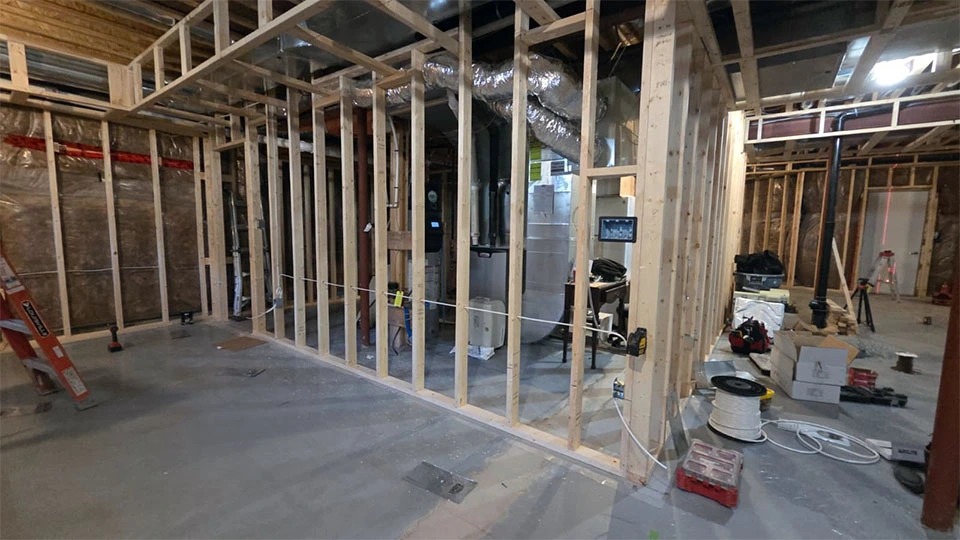
Finishing a basement is one of the most popular home improvement projects in Ontario. Whether you're creating a family room, home office, rental suite, gym, or entertainment space, proper electrical planning is essential. In this guide, we'll explain Ontario basement electrical requirements, common mistakes homeowners make, and how to prepare your electrical system before construction begins.
Proper electrical planning early in the project can help avoid costly changes later and ensure your finished basement is safe, functional, and fully compliant with Ontario electrical requirements.
Start With an Electrical Assessment
Before adding new circuits, it's important to determine whether your existing electrical service can support the additional load. Many older Ontario homes were never designed for finished basements with home offices, entertainment systems, electric fireplaces, or kitchenettes.
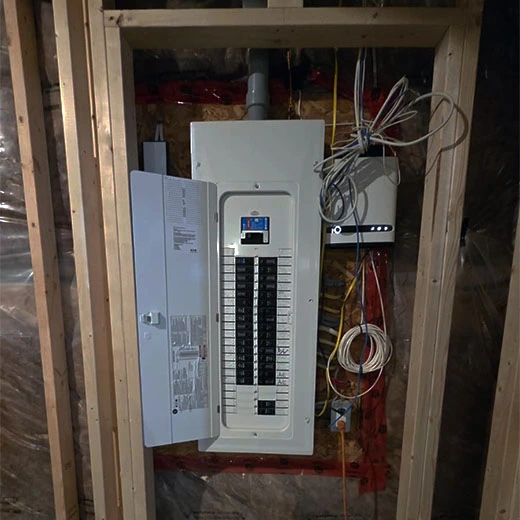
During an electrical assessment, electricians typically evaluate:
- Available breaker space in the panel
- Overall service capacity
- Potential need for a subpanel
- Dedicated circuit requirements
- Future electrical expansion plans
Homeowner Tip
If you're planning a home office, gym, kitchenette, electric fireplace, or future EV charger, it's best to evaluate panel capacity before framing begins.
Ontario Electrical Requirements for Finished Basements
Electrical work in finished basements must comply with the Ontario Electrical Safety Code. While every project is different, several common requirements apply to most basement renovations.
- AFCI protection for most living areas
- GFCI protection where required
- Proper smoke and carbon monoxide alarm placement
- Code-compliant lighting installations
- Adequate receptacle spacing
- Proper grounding and bonding
Requirements may vary depending on whether the basement includes bedrooms, bathrooms, kitchens, wet bars, or separate dwelling units.
How Many Circuits Does a Finished Basement Need?
One of the most common mistakes homeowners make is underestimating future electrical demand. A finished basement often requires multiple circuits depending on the intended use of the space.
Common basement electrical loads include:
- General lighting circuits
- Receptacle circuits
- Bathroom circuits
- Kitchenette appliances
- Electric fireplaces
- Home office equipment
- Home theatre systems
- Sump pump circuits
“Adding a few extra circuits during renovation is far easier and less expensive than opening finished walls later.”
Do You Need a Subpanel?
Not every basement renovation requires a subpanel. However, when the main panel is already full or multiple new circuits are being added, a subpanel can simplify installation and improve future expansion options.
Subpanels are particularly common in larger homes, basement apartments, workshops, and projects involving significant electrical upgrades.
Benefits of a basement subpanel include:
- Additional breaker capacity
- Cleaner circuit organization
- Easier future upgrades
- Improved accessibility for basement circuits
Common Basement Wiring Mistakes
Electrical deficiencies discovered during basement renovations are surprisingly common, especially in older Ontario homes.
- Too few receptacles
- Insufficient circuit capacity
- Overloaded existing circuits
- Improper extension cord use
- Failure to plan for future electrical needs
- Skipping required inspections
Important
Many basement electrical projects in Ontario require permits and ESA inspections. Requirements depend on the scope of work being performed.
Plan for Future Electrical Upgrades
A basement renovation is often the best opportunity to prepare for future electrical upgrades while walls and ceilings remain accessible.
Many homeowners choose to add wiring for future technologies even if they aren't needed immediately.
- EV charger circuits
- Backup generator connections
- Home office wiring
- Smart home systems
- Network cabling
- Heat pump installations
If you're considering future EV ownership, read our guide on Top 3 EV Chargers for Ontario Winter.
Homeowners concerned about power outages may also find our comparison of Generac vs Kohler Backup Generators helpful when planning future upgrades.
Final Thoughts
A finished basement can add valuable living space and significantly increase the functionality of your home. Proper electrical planning ensures the space remains safe, convenient, and capable of supporting future needs.
Evaluating your panel capacity, planning dedicated circuits, and addressing electrical requirements before construction begins can help prevent expensive modifications later.
Professional Basement Wiring in Ontario
Our licensed electricians provide basement wiring, panel upgrades, subpanel installations, and electrical renovations throughout Toronto and the GTA.
Learn more about our basement wiring services or explore our electrical panel upgrade solutions.
Frequently Asked Questions
Do I need a permit for basement electrical work in Ontario?
Many basement electrical projects require permits and inspections through the Electrical Safety Authority (ESA). Permit requirements depend on the scope of work being performed.
Does a finished basement require a separate electrical panel?
Not always. If your existing panel has sufficient capacity and available breaker space, new basement circuits can often be added directly to the main panel. Larger renovations may benefit from a subpanel.
Can I finish my basement with a 100 amp electrical service?
Many homes with 100 amp service can support a basement renovation. However, the final answer depends on your home's total electrical load, existing appliances, and future plans such as EV chargers or heat pumps.
Should I add extra circuits during a basement renovation?
In most cases, yes. Adding circuits while walls are open is significantly easier and less expensive than making changes after drywall and finishing work have been completed.
Planning a Basement Renovation?
Get professional electrical planning before the walls are closed. We install basement wiring, lighting, dedicated circuits, subpanels, and electrical upgrades throughout the GTA.
Get a Free EstimateLicensed Electrical Contractor • ESA/ECRA Licence #7005619
![Residential electrical panel installation requiring ESA inspection']](/images/blog/residential-electrical-panel-installation.webp)
![Modern AFCI and Dual Function Circuit Breakers']](/images/blog/brakers.png)
![Knob-and-tube electrical wiring installed in the attic of an older Ontario home']](/images/blog/knob-and-tube-wiring.webp)