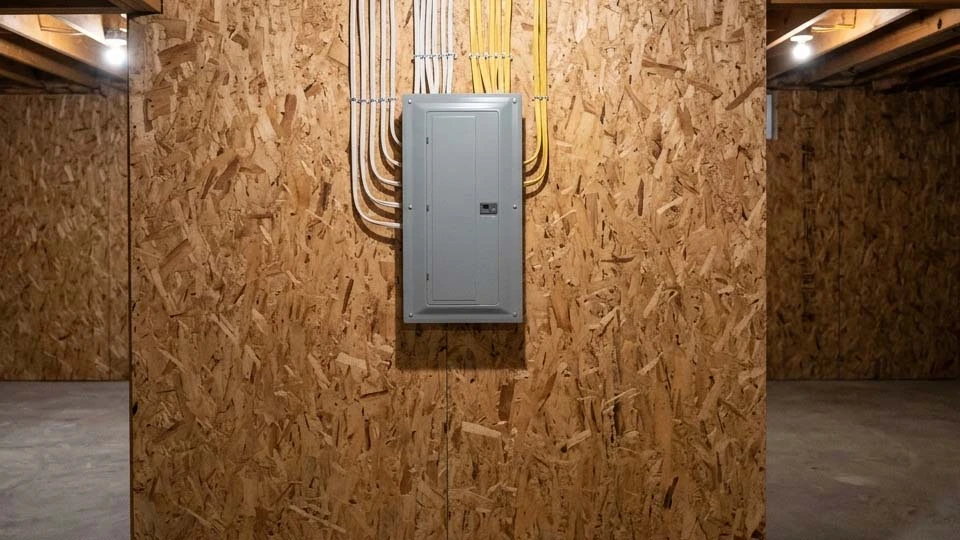
UNDERSTANDING ESA REQUIREMENTS
ESA Inspection in Ontario: When Is It Required?
Many homeowners are surprised to learn that certain electrical projects in Ontario require an ESA inspection before the work can be considered compliant. Whether you're upgrading an electrical panel, installing an EV charger, finishing a basement, or completing a major renovation, understanding when an ESA inspection is required can help avoid delays, safety concerns, and potential issues when selling your home.
What Is an ESA Inspection?
The Electrical Safety Authority (ESA) is responsible for enforcing the Ontario Electrical Safety Code and ensuring electrical work is completed safely.
An ESA inspection allows a licensed inspector to verify that electrical installations meet current safety requirements before the work is approved.
Quick Answer
Most new electrical installations, service upgrades, EV charger installations, and major renovation projects require an ESA permit and inspection in Ontario.
When Is an ESA Inspection Required?
Many electrical projects require notification to the ESA before work begins. Common examples include:
- Electrical panel upgrades
- 100 amp to 200 amp service upgrades
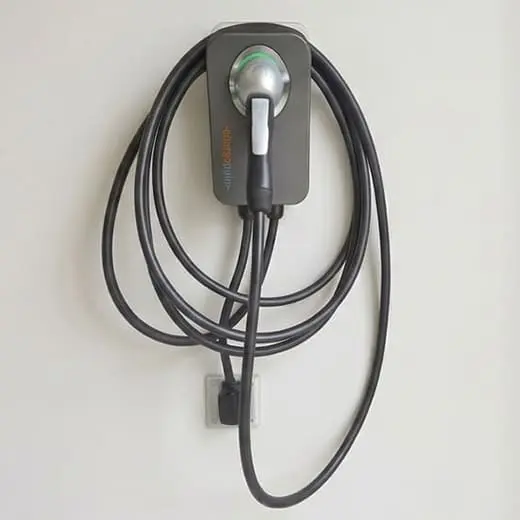
- EV charger installations
- Generator installations
- Finished basement wiring
- New circuits and subpanels
- Home additions and major renovations
"Most homeowners never interact directly with the ESA because their licensed electrical contractor handles the permit and inspection process."
Who Obtains the ESA Permit?
In most cases, the licensed electrical contractor performing the work obtains the ESA permit and coordinates inspections as part of the project.
Homeowners performing their own electrical work may also obtain permits directly, but they remain responsible for ensuring the installation complies with Ontario Electrical Safety Code requirements.
What Happens During an ESA Inspection?
The inspector reviews the electrical installation to verify it complies with current code requirements and safety standards.
Depending on the project, inspections may occur before walls are closed, after equipment installation, or upon project completion.
What Happens If Electrical Work Is Not Inspected?
Unpermitted electrical work may create safety concerns, insurance complications, and difficulties during future home sales. In some cases, homeowners may be required to correct deficiencies before obtaining final approval.
How Do You Know If Your Project Needs an ESA Inspection?
The safest approach is to consult a licensed electrical contractor before starting any significant electrical project. An experienced electrician can determine whether a permit is required and handle the inspection process on your behalf.
Frequently Asked Questions
Does every electrical job require an ESA inspection?
No. Minor repairs such as replacing switches, receptacles, or light fixtures typically do not require a permit. New installations and major modifications often do.
Can homeowners obtain an ESA permit themselves?
Yes. Homeowners performing their own electrical work may obtain permits directly from the ESA and schedule inspections as required.
How much does an ESA permit cost?
Permit fees vary depending on the scope of work and project type.
Do EV charger installations require an ESA inspection?
New EV charger installations require notification to the ESA and an inspection.
Need Electrical Work Completed and Inspected?
Our licensed electricians handle ESA permits and inspections for electrical panel upgrades, EV chargers, generators, basement renovations, and other residential electrical projects throughout Ontario.
Book an Electrical ConsultationLicensed Electrical Contractor • ESA/ECRA Licence #7005619
![Modern AFCI and Dual Function Circuit Breakers']](/images/blog/brakers.png)
![Residential electrical service panels installed for a high-capacity electrical service upgrade']](/images/blog/electrical-service-size-comparison.webp)
![Aluminum electrical wiring in an older Ontario home']](/images/blog/aluminum-wiring.webp)